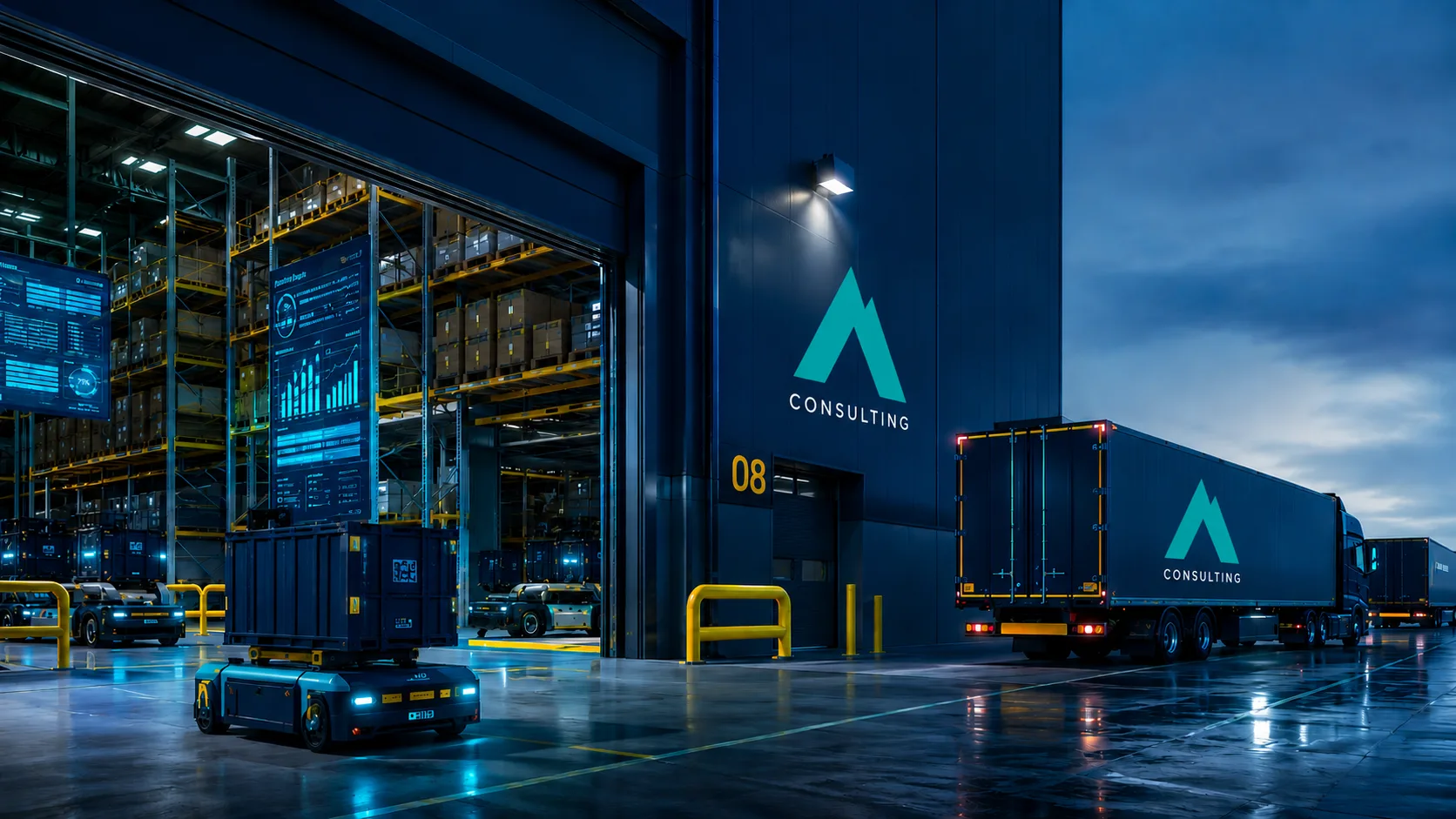
The global logistics landscape has fundamentally shifted. Today, disruptions are no longer rare anomalies; they are recurring operational challenges. From shifting trade regulations to unpredictable fuel fluctuations and port congestion, logistics providers must move away from reactive troubleshooting and embrace proactive, resilient supply chain strategies to maintain profitability.
Building a modern, bulletproof logistics framework requires a combination of strategic foresight and technological integration:
Real-Time Fleet and Cargo Visibility: Relying on estimated times of arrival (ETAs) is no longer enough. Utilizing IoT sensors and advanced tracking software allows logistics managers to pinpoint cargo locations instantly, enabling them to reroute shipments dynamically when bottlenecks occur.
Warehouse Automation and Layout Optimization: Labor shortages and rising real estate costs demand maximum efficiency inside the warehouse. Implementing automated sorting systems and using data analytics to optimize picking paths drastically minimizes fulfillment times and cuts operational overhead.
Predictive Demand Planning: By analyzing historical data and market trends, companies can forecast inventory requirements with high accuracy. This prevents both costly overstock situations and devastating stockouts that ruin client relationships.
In the modern economy, logistics is no longer just a backend operational cost—it is a powerful competitive advantage. Companies that optimize their supply chains today will secure their market share tomorrow.

 EVERCON
 LOGISTICS